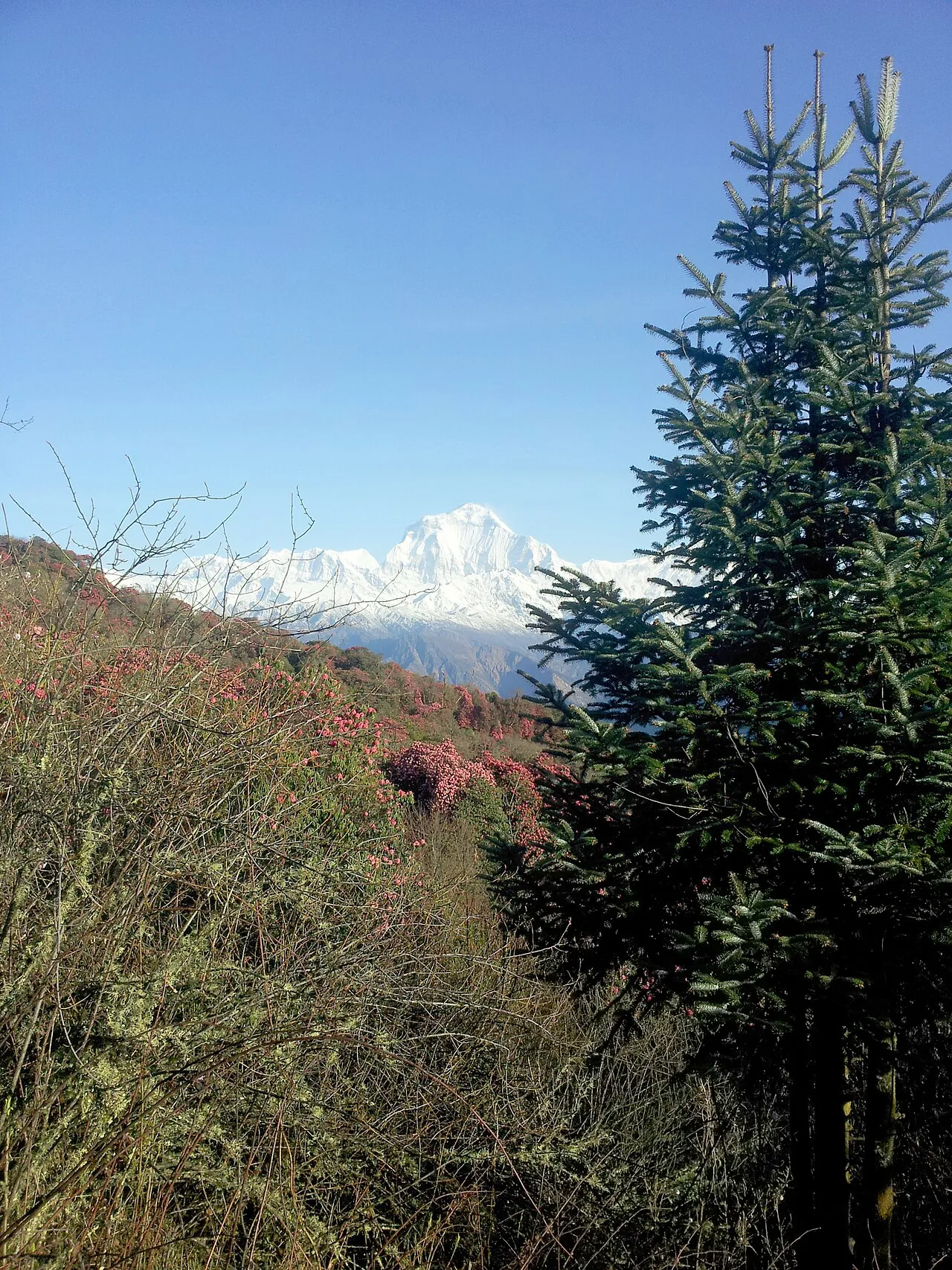
Malkabang sits at about 2,110 metres in the Dhaulagiri Rural Municipality of eastern Myagdi, and is one of the larger Chhantyal settlements where the Chhantyal language is still spoken.
Trace-back
Few villages wear our copper heritage as plainly as Malkabang: reports count more than a dozen old copper mines in and around the village. Extracting and working copper was the ancestral occupation of the Chhantyal here, carried on until roughly a century ago. The mines now lie dormant and overgrown, but they are the reason the village exists.
At the time of the 1991 census
The associated Malkwang VDC recorded 1,602 people in 308 households — placing Malkabang among the more populous villages of the eastern Chhantyal belt before the later migrations.
What people do
Today the village lives by farming and livestock, with many families supported by work abroad. The copper mines remain a source of local pride — and of ongoing calls to study and protect them.
Have memories or up-to-date figures from Malkabang? Help us keep this story accurate through the Connect page.
Sources
Know this village? Help us complete and correct its story through the Connect page. ✏️ Suggest a correction to this page